

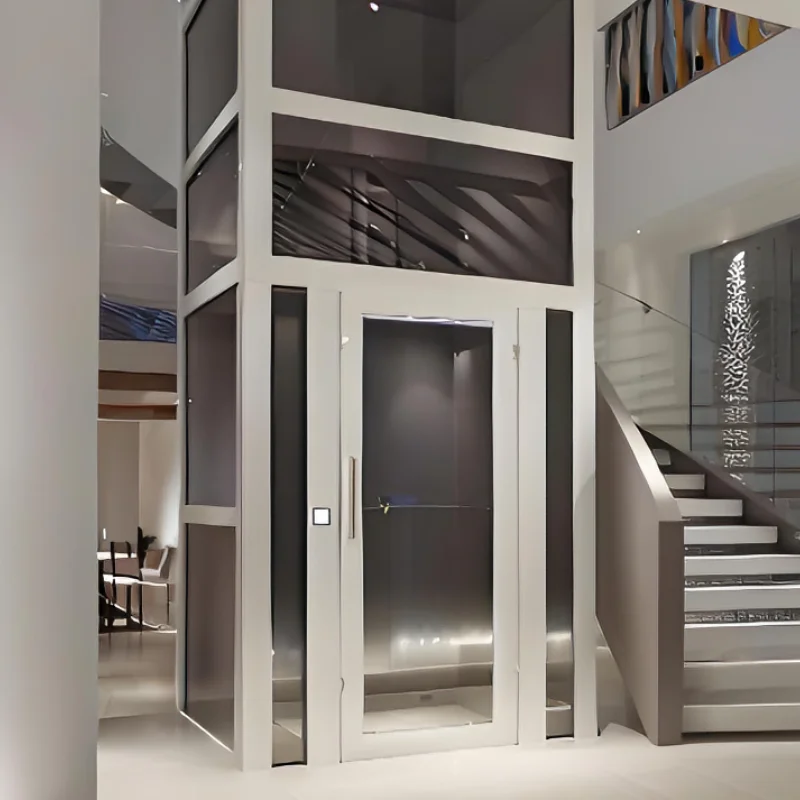
If you are a first-time homeowner, planning a future-proof living space is one of the smartest investments you can make. A home elevator is no longer considered a luxury feature reserved for large estates. Today, it is a practical, accessible, and value-adding home improvement solution for multi-story homes, aging-in-place planning, mobility support, and modern interior design. This home elevator buying guide for first-time homeowners explains everything you need to know before purchasing, from elevator types and installation requirements to safety features, sizing, maintenance, and long-term cost considerations.
Whether you are building a new home, renovating an existing property, or preparing for multigenerational living, understanding the basics of a Residential Elevator helps you make a more informed decision. This guide is designed to be SEO-friendly, easy to scan, and useful for blog pages, category pages, and industry resource pages.
A home elevator, also called a residential elevator, is a vertical lifting system designed to transport people, groceries, luggage, or household items between floors in a private home. Unlike commercial elevators, Home Elevators are built for lower traffic, smaller spaces, and residential architecture. They can improve accessibility, increase comfort, and add long-term property value.
For first-time homeowners, the idea of installing a home elevator may seem complex. However, modern Residential Elevator Systems are more compact, energy-efficient, and customizable than ever before. They can be integrated into new construction or retrofitted into existing homes, depending on the design and structural requirements.
There are many reasons why new homeowners start researching Home Elevator Installation. Some want to create a more accessible home for family members. Others want to reduce physical strain from carrying items up and down stairs. Some are planning for the future and want to age in place comfortably.
Before making a purchase, it is important to evaluate the practical benefits of a residential home elevator. A good elevator is more than a convenience feature; it supports long-term usability, safety, and home flexibility.
| Benefit | Description | Why It Matters for First-Time Homeowners |
|---|---|---|
| Accessibility | Allows easy floor-to-floor movement | Useful for aging family members, guests, and future mobility needs |
| Convenience | Reduces stair use for daily tasks | Makes home living easier and more efficient |
| Safety | Minimizes stair-related falls and strain | Important for households with children or older adults |
| Home value | Can improve market appeal in some property segments | May support long-term resale potential |
| Aging in place | Supports long-term independent living | Reduces the need for future relocation |
One of the first steps in a home elevator buying guide is understanding the main types of residential elevator systems. Each type has different space, cost, maintenance, and installation considerations. Choosing the right system depends on your home layout, budget, and accessibility goals.
Hydraulic elevators use fluid pressure and a piston-driven mechanism to raise and lower the cab. They are known for smooth operation, strong lifting capacity, and reliability. They often require a machine room or dedicated space for the pump system.
Best for: Homeowners looking for a durable, traditional system with strong performance.
Traction elevators use cables and a counterweight system. They are often more energy-efficient than hydraulic systems and may offer a quieter ride. Some designs do not require a separate machine room, depending on the model and configuration.
Best for: Homes where energy efficiency and space-saving design are important.
Pneumatic elevators operate using air pressure. They are typically compact, visually distinctive, and easier to install in some homes because they often require less structural modification. These systems are usually suitable for lighter residential use.
Best for: Smaller homes or homeowners seeking a modern, space-saving elevator solution.
Shaftless elevators are designed for limited travel between one or two floors. They typically require less construction than traditional elevators and are popular in retrofits or homes with limited space.
Best for: Homes needing simple two-level access with minimal structural impact.
Platform lifts are not always classified as full elevators, but they are commonly used for accessibility. They move a platform vertically and can serve wheelchair users or individuals with mobility challenges.
Best for: Accessibility-focused installations where full elevator travel is not necessary.
When comparing home elevator options, first-time homeowners should look beyond the appearance and focus on practical requirements. The right choice depends on installation space, building structure, usage frequency, and ongoing support needs.
Space is one of the biggest factors in choosing a residential elevator. Some systems require a shaft, pit, or overhead clearance, while others are more compact and flexible. Measure the intended installation area carefully and determine whether your home can support the system you want.
Not every elevator is designed for the same travel distance. Some are ideal for two-floor homes, while others can serve three or more levels. Consider your current layout and whether you may add floors in the future.
Residential elevators come in different load capacities. A typical home elevator must safely carry passengers, household items, and sometimes mobility equipment. Check the weight rating and match it to real household needs.
Different elevator systems have different power needs. Some require standard household power, while others need dedicated electrical circuits or backup systems. Make sure your electrical setup is compatible with the elevator model and local code requirements.
Safety should be a top priority in any residential elevator buying guide. Look for systems with emergency stop buttons, battery backup, interlocks, door sensors, and overload protection.
All elevators require regular maintenance to operate safely and efficiently. Ask about servicing schedules, inspection frequency, and replacement parts before making a purchase.
Some home elevators are easier to install than others. If you are a first-time homeowner planning a retrofit, a compact model may be more practical than a full-shaft system that requires major construction.
Choosing the correct size is essential for comfort, safety, and code compliance. A home elevator should be spacious enough for intended users but still fit the available floor area.
| Specification | Typical Range | Notes |
|---|---|---|
| Passenger capacity | 2 to 6 persons | Varies by model and design |
| Weight capacity | 500 to 1,000+ lbs | Check manufacturer guidelines and local code |
| Cab size | Compact to full residential size | Should match user needs and home layout |
| Travel height | 2 floors to multiple floors | Depends on elevator type and home structure |
| Door opening width | Varies by model | Important for wheelchair access and furniture handling |
Below is a general specification table to help first-time homeowners understand common residential elevator requirements. Actual specifications vary by manufacturer, region, and installation method.
| Feature | Common Residential Range | Purpose |
|---|---|---|
| Speed | Low to moderate residential speed | Designed for safe, comfortable home use |
| Drive type | Hydraulic, traction, pneumatic, shaftless | Determines performance and installation needs |
| Machine room | May be required or not required | Affects space planning |
| Pit depth | Shallow to standard | Influences construction requirements |
| Overhead clearance | Low to moderate | Needed for safe upper travel |
| Power supply | Residential electrical service | Must be verified during planning |
| Noise level | Low to moderate | Important for comfort in a home environment |
| Maintenance interval | Periodic service recommended | Helps ensure safety and long-term performance |
Installation is one of the most important parts of the buying process. Even the best residential elevator will not perform well if your home is not suitable for it. First-time homeowners should evaluate the structural, electrical, and space requirements before purchase.
Your home’s structure must support the elevator system, including floor load, shaft requirements, and reinforcement if needed. New construction usually offers more flexibility, while retrofits may need additional work.
Some elevators run on standard residential power, while others require dedicated circuits or more robust electrical planning. Backup power systems may also be recommended for some configurations.
Home elevator installation often requires permits, inspections, and compliance with local building codes. Regulations vary by region, so it is essential to understand the requirements before starting construction.
Door placement, hallway width, and landing space should support safe and easy access. Good layout planning prevents congestion and improves everyday usability.
Safety is a major keyword and a major buying factor. A safe home elevator should include several built-in protections to reduce risk and improve reliability. First-time homeowners should never sacrifice safety for aesthetics or price alone.
The cost of a home elevator varies widely based on type, size, installation complexity, custom finishes, and structural changes. When budgeting, first-time homeowners should think beyond the initial purchase price and include installation, permits, maintenance, and long-term service.
| Cost Category | What It May Include | Budget Impact |
|---|---|---|
| Equipment cost | Elevator unit, cab, drive system, controls | Major portion of total project cost |
| Installation cost | Labor, assembly, setup, testing | Depends on complexity and home design |
| Construction cost | Shaft, pit, reinforcement, framing | Higher for retrofits or structural changes |
| Permits and inspections | Local approvals, code compliance checks | Required in many areas |
| Maintenance | Routine service, part replacement, inspections | Ongoing ownership expense |
| Customization | Cab finishes, lighting, doors, controls | Can increase total budget significantly |
First-time homeowners should ask clear, practical questions before choosing a system. These questions help compare models and identify hidden requirements.
Buying a home elevator for the first time can be overwhelming. Avoiding common mistakes can save time, money, and frustration.
Some first-time homeowners compare a home elevator with a stair lift or platform lift. While all three can improve mobility, they serve different needs.
| Feature | Home Elevator | Stair Lift | Platform Lift |
|---|---|---|---|
| Main use | Moves people and items between floors | Travels along the stairs | Lifts a platform vertically |
| Space needs | Moderate to high depending on type | Low | Moderate |
| Accessibility | High | Moderate | High for certain users |
| Capacity | Higher | One seated user | Wheelchair or standing user |
| Home value impact | May be strong in suitable properties | Usually lower | Depends on application |
Selecting the right residential elevator comes down to balancing function, space, budget, and future needs. A first-time homeowner should take a step-by-step approach.
A home elevator is a long-term home investment. Proper maintenance helps preserve safety, smooth performance, and system lifespan. First-time homeowners should understand the basic ownership responsibilities before purchase.
When researching Residential Elevator Solutions, first-time homeowners often use a variety of related search phrases. Including relevant terms naturally can improve content visibility and topical relevance.
Buying a home elevator for the first time is a major decision, but it can also be a highly rewarding one. The right residential elevator can improve accessibility, increase convenience, support aging in place, and enhance the overall usability of your home. By understanding elevator types, size requirements, safety features, installation needs, and long-term maintenance, you can choose a system that fits your home and future goals.
If you are a first-time homeowner, focus on the fundamentals: space, safety, capacity, code compliance, and maintenance. A well-planned home elevator purchase is not just about transportation between floors. It is about creating a more comfortable, functional, and future-ready living environment.
This guide can be used directly in blog content, service pages, directory listings, or industry resource pages to support search visibility and user education on home elevator buying guide for first-time homeowners.
This website uses cookies to ensure you get the best experience on our website.
 ไทย
ไทย Indonesia
 Tiếng Việt
 Filipino



 Phone
Phone
Comment
(0)