

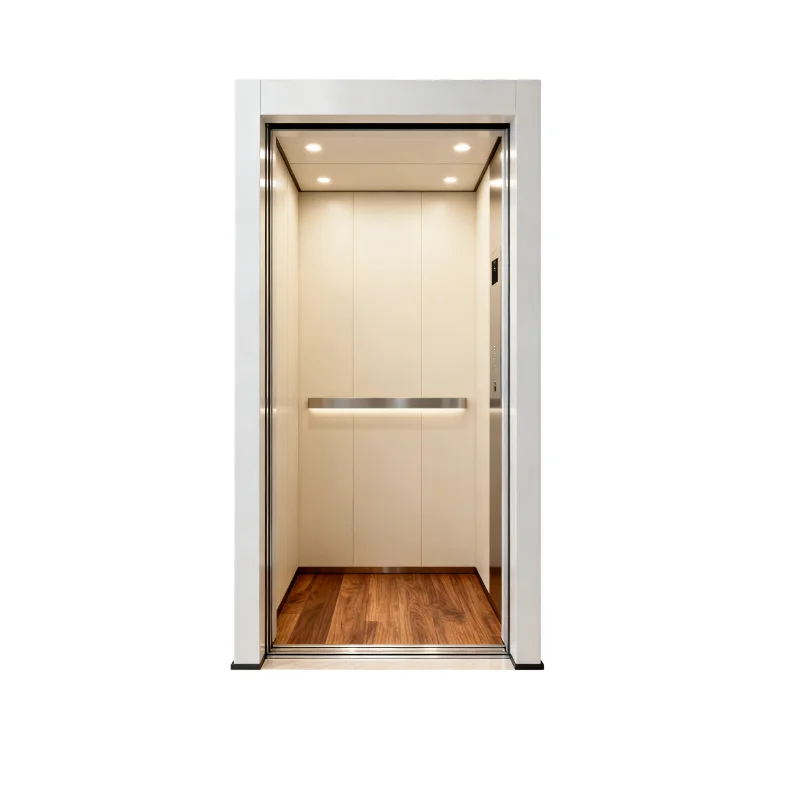
Modern Home Elevator technologies are reshaping the way people experience residential living. Once considered a luxury reserved for large estates, elevators for homes are now widely recognized as practical, space-saving, and future-ready mobility solutions. Homeowners, builders, and designers are increasingly integrating Residential Elevators to improve accessibility, increase property value, and enhance everyday comfort. As demand rises, so does the innovation behind compact elevator systems, energy-efficient drive mechanisms, advanced safety features, and customizable cabin designs.
This comprehensive guide explains the key technologies, specifications, advantages, and applications of modern Home Elevator Systems. It is designed for use in blog posts, category pages, service pages, and industry landing pages. The content focuses on general industry information only, with no company-specific recommendations. If you are researching home elevator technology, Residential Lift systems, or modern elevator solutions for houses, this article provides a detailed, SEO-friendly overview.
A modern home elevator is a compact vertical transportation system installed in a private residence to move people and, in some cases, light household items between floors. Unlike large commercial elevator systems, Home Elevators are built for lower traffic volume, smaller floor plans, quieter operation, and easier integration into residential architecture. They may be installed in new construction or retrofitted into existing homes depending on structural conditions and available space.
Today’s residential elevators are engineered to be efficient, safe, visually appealing, and adaptable to different home styles. They are available in a range of technologies, including hydraulic, traction, winding drum, and vacuum-based systems. Each technology offers distinct benefits in terms of footprint, speed, energy use, installation requirements, and maintenance.
The growth of home elevator technology is driven by several lifestyle and construction trends. Aging in place has become a major consideration for homeowners who want to remain in their homes for longer periods. Multilevel homes are also becoming more common in urban and suburban environments, increasing the need for convenient access between floors. In addition, modern homeowners increasingly value premium features that improve daily life while supporting long-term accessibility.
Home elevators are no longer seen only as mobility aids. They are also viewed as architectural features that support universal design, reduce physical strain, and make homes more functional for families with children, older adults, or guests with mobility limitations. Their growing role in contemporary housing has made Residential Lift Systems an important part of modern home design.
The benefits of a modern home elevator extend beyond convenience. They can improve accessibility, enhance interior design, support long-term independence, and increase the overall value of a property. The following table summarizes the main advantages of residential elevator technology.
| Advantage | Description | Homeowner Benefit |
|---|---|---|
| Accessibility | Provides step-free movement between floors | Supports seniors, wheelchair users, and guests with mobility needs |
| Convenience | Reduces effort when traveling between levels | Makes daily routines easier and faster |
| Property Value | Adds a premium feature to the home | May increase market appeal and resale potential |
| Future-Proofing | Improves long-term livability | Allows homeowners to age in place more comfortably |
| Space Optimization | Compact models can fit into tight footprints | Works well in modern and retrofit homes |
| Aesthetic Integration | Available in custom materials and finishes | Enhances interior design and architectural style |
| Safety Enhancement | Includes advanced safety systems and controls | Improves confidence for everyday use |
Different elevator technologies serve different residential needs. Understanding the main types of home elevator systems helps homeowners and designers choose the best solution based on layout, performance, and budget. Below is an overview of the most common residential elevator technologies used in modern homes.
Hydraulic home elevators use a piston driven by fluid pressure to move the elevator cab between floors. They are known for smooth travel, strong lifting capability, and a classic mechanical design. Hydraulic systems are often selected for homes that require a comfortable ride and reliable performance.
These systems generally need a machine room or a dedicated space for the pump unit, though compact configurations are available. Hydraulic home elevators are often favored in applications where installation flexibility and load capacity matter. However, they may require more maintenance than some newer technologies and can use more energy during upward travel.
Traction elevators operate using a motor, cables or belts, and a counterweight system. They are widely recognized for efficient operation, smooth movement, and reduced energy consumption compared with some traditional systems. Modern traction home elevators can be designed with machine-room-less configurations, which makes them ideal for homes where space efficiency is important.
Traction technology is popular in both new construction and high-end residential renovations. It offers quiet performance, good travel speed, and modern control systems. Because they do not rely on hydraulic fluid, traction elevators are often considered a cleaner and more energy-conscious Home Elevator Solution.
Winding drum home elevators use a motorized drum to wind and unwind a cable, raising and lowering the cab. These systems are often appreciated for their relatively simple design and compact installation requirements. They may be suitable for smaller homes or retrofit projects where available space is limited.
Winding drum technology is generally straightforward, which can simplify installation in some residential settings. It is commonly used where homeowners want a functional elevator with a compact footprint and moderate performance requirements.
Pneumatic vacuum elevators use air pressure differences to move the cab. Their transparent cylindrical design has made them a distinctive option in modern residential architecture. These elevators often require less structural modification than traditional systems and can be installed with a relatively small footprint.
Vacuum elevators are frequently chosen for design-forward homes where aesthetics and minimal disruption are key priorities. They are especially attractive in retrofit projects because they may require fewer construction changes. Their unique visual appearance makes them a popular choice for modern home elevator design.
The following table provides a simple comparison of common home elevator technologies. This can help users understand the major differences in design, installation, and performance.
| Technology | Typical Footprint | Energy Efficiency | Ride Quality | Installation Complexity | Best For |
|---|---|---|---|---|---|
| Hydraulic | Medium | Moderate | Smooth | Moderate to high | Homes needing strong lifting power |
| Traction | Small to medium | High | Very smooth | Moderate | Modern homes and energy-conscious owners |
| Winding Drum | Small | Moderate | Good | Moderate | Compact homes and retrofit projects |
| Pneumatic Vacuum | Very small | Moderate to high | Good | Low to moderate | Design-focused homes with limited space |
Modern home elevators are built with a wide range of features that improve safety, comfort, convenience, and design flexibility. These features are important for homeowners searching for practical and future-ready elevator solutions.
User-friendly automatic controls make residential elevator operation simple and intuitive. Many systems include push-button panels, digital indicators, and smart call-and-send functions. These controls improve accessibility and make the elevator easier to use for all household members.
Space-saving design is one of the biggest advantages of modern home elevator technology. Compact models are engineered to fit into narrow shafts, corners, or existing architectural voids. This makes them especially useful in homes where space is limited.
Residential elevators are generally designed to operate quietly. Low-noise motors, improved drive systems, and vibration-reduction components help create a comfortable home environment without disruptive sound.
Soft start and soft stop functionality provides smoother movement by gradually accelerating and decelerating the elevator cab. This improves ride comfort and reduces mechanical stress on components.
Many modern home elevator systems include emergency power or backup lowering features. These safety measures help ensure that passengers can exit the elevator safely during a power interruption.
Residential elevators can be customized with glass panels, wood veneers, metal finishes, LED lighting, mirrors, and stylish flooring options. These design choices allow the elevator to blend seamlessly with the interior of the home.
Some modern elevator systems can be integrated with home automation features, access controls, or digital monitoring tools. Smart technology supports convenience, status tracking, and enhanced user control.
Home elevator specifications vary by technology, manufacturer, and building requirements. Still, many residential elevators share common performance ranges. The table below outlines typical industry specifications for modern home elevator systems.
| Specification | Typical Range | Notes |
|---|---|---|
| Capacity | 300 to 1,000 lbs | Varies by model and intended use |
| Travel Height | Up to 2 to 6 stops in many homes | Custom configurations may support more |
| Speed | Approx. 20 to 40 feet per minute | Residential speed is slower than commercial elevators |
| Cab Size | Compact to medium | Depends on passenger capacity and layout |
| Drive Types | Hydraulic, traction, winding drum, pneumatic | Technology affects installation and performance |
| Power Supply | Often standard residential electrical service or dedicated circuit | Exact requirements vary by system |
| Noise Level | Low to moderate | Modern systems are designed for quiet operation |
| Maintenance Interval | Periodic service recommended | Frequency depends on usage and technology |
Safety is a central part of modern home elevator design. Residential elevator systems are built with multiple layers of protection to help prevent accidents, support stable operation, and reassure users. These safety features are one of the main reasons home elevators are increasingly accepted as practical household mobility solutions.
Common safety features may include door interlocks, emergency stop buttons, obstruction sensors, overload protection, emergency lighting, alarm systems, and battery-powered descent functions. Some systems also offer child-safe controls, key access, and monitored diagnostics. These features help create a secure environment for everyday use.
| Safety Feature | Purpose |
|---|---|
| Door Interlock | Prevents the elevator from moving if doors are not properly closed |
| Emergency Stop | Allows immediate stopping in an emergency |
| Overload Sensor | Detects excessive load and blocks operation when needed |
| Obstruction Detection | Helps stop the elevator if an object is in the travel path |
| Battery Backup | Supports safe lowering or continued operation during power loss |
| Alarm System | Lets passengers signal for help if necessary |
| Emergency Lighting | Improves visibility inside the cab during outages |
| Automatic Leveling | Helps the cab stop at the correct floor height |
Accessibility is one of the strongest reasons for installing a home elevator. As homes become more vertical, stairs can become a challenge for older adults, people recovering from injury, or anyone living with reduced mobility. A residential elevator removes the barrier of stairs and supports easier movement throughout the home.
Home elevator accessibility also benefits families with strollers, heavy groceries, luggage, laundry, or household supplies. In this way, a home elevator is not only a mobility solution but also a day-to-day convenience tool that makes a house more usable for everyone.
Energy efficiency is increasingly important in modern residential construction. Homeowners want elevator systems that are reliable without creating unnecessary power consumption. This is why newer traction systems, compact drive units, LED lighting, sleep modes, and smart standby functions are becoming more common.
Compared with older systems, modern home elevator technologies can be designed to use less electricity and reduce operational waste. Traction and pneumatic systems may offer notable efficiency advantages depending on usage patterns, while hydraulic systems remain popular for their smooth operation and practical lifting power. The best choice depends on how the elevator will be used and what kind of home is being served.
Installing a home elevator requires careful planning. Structural support, available shaft space, ceiling height, floor openings, electrical access, and local building codes all influence the final design. New construction projects often offer the most flexibility, but retrofit installations are also possible in many homes.
Homeowners should consider the size of the cab, number of stops, drive technology, maintenance access, and long-term usability before selecting a system. A Compact Home Elevator may fit beautifully into an existing residence, but performance and layout must still align with structural and practical requirements.
Like any mechanical system, a home elevator needs regular maintenance to remain safe, smooth, and reliable. Routine inspection and service can help identify wear, adjust components, and keep the system operating efficiently over time. Maintenance needs vary depending on the technology used.
Hydraulic systems may require fluid checks and component inspection. Traction systems often need cable or belt assessment and drive monitoring. Winding drum systems may require drum and cable maintenance. Vacuum elevators typically need checks on seals, controls, and mechanical parts. Preventive maintenance is important for extending system life and preserving ride quality.
Residential elevators are used in many different types of homes and living environments. Their value is especially clear in multilevel residences, aging-in-place homes, and properties where staircase access is inconvenient or impractical. The following list highlights common use cases.
Design has become an essential part of home elevator technology. Homeowners now expect elevators to function as architectural elements rather than purely mechanical devices. This has led to a strong trend toward minimalist cabins, panoramic glass panels, concealed mechanics, and elegant interior finishes.
Contemporary home elevator design often emphasizes clean lines, natural materials, bright lighting, and visual transparency. Glass elevators, in particular, have become popular in modern homes because they create a sense of openness and sophistication. Customization is a major selling point in the residential elevator market.
A home elevator can contribute to both immediate and long-term property value. Buyers often view elevator access as a premium feature, especially in multi-level homes. In addition to financial value, an elevator can improve everyday usability and broaden the range of future occupants who can comfortably live in the home.
This long-term value is especially important as more homeowners think ahead to retirement, accessibility, and multigenerational living. A house equipped with a modern residential elevator may stand out in the real estate market because it combines convenience, accessibility, and design appeal.
No. While home elevators were once associated mainly with luxury properties, modern compact elevator systems are now used in a wide variety of homes. They can support accessibility, convenience, and future planning in practical residential settings.
Yes, many home elevator systems are designed for retrofit installation. The feasibility depends on available space, structural conditions, and local code requirements.
Efficiency depends on the system design and usage pattern. Traction and pneumatic elevators are often considered efficient choices, though modern hydraulic systems can also perform well in the right application.
Space requirements vary widely. Some compact home elevator models need only a small footprint, while others require more room for a shaft or machine components. The exact footprint depends on technology and capacity.
Regular maintenance is necessary, but modern home elevator systems are designed for reliability and manageable upkeep. Preventive servicing helps keep the system safe and functional.
For search optimization, this topic naturally supports a broad cluster of high-intent keywords. When used appropriately throughout a page, these phrases can improve topical relevance and help search engines understand the content focus.
Modern home elevator technologies are transforming residential living by combining accessibility, comfort, efficiency, and design. Whether using hydraulic, traction, winding drum, or pneumatic vacuum systems, today’s residential elevators are more adaptable and advanced than ever before. They help homeowners create spaces that are easier to navigate, more future-ready, and more aligned with modern lifestyles.
As demand for accessible housing and smart home design continues to grow, home elevator technology will likely keep evolving. Smaller footprints, quieter operation, smarter controls, and improved energy efficiency are setting a new standard for residential mobility. For homeowners, builders, and designers, the modern home elevator is no longer an optional luxury. It is an increasingly important element of functional, comfortable, and forward-thinking living.
```
This website uses cookies to ensure you get the best experience on our website.
 ไทย
ไทย Indonesia
 Tiếng Việt
 Filipino



 Phone
Phone
Comment
(0)