
 ไทย
ไทย Indonesia
 Tiếng Việt
 Filipino
Home Elevator System
A home elevator system is a compact vertical transportation solution designed to improve accessibility, convenience, and comfort within a private residence. Unlike large commercial lifts, a home elevator is built specifically for low-traffic environments and typically serves two to four floors. It can be installed in new homes or retrofitted into existing houses, making it a practical option for families who want to enhance mobility without major structural changes.One of the main benefits of a home elevator system is accessibility. It allows elderly residents, people with disabilities, and anyone recovering from injury to move between floors safely and easily. This reduces the risk of falls on stairs and helps residents maintain independence in their daily lives. For households with young children, heavy items, or frequent visitors, the elevator also provides added convenience and ease of movement.Home elevator systems are available in several types, including hydraulic, traction, pneumatic, and machine-room-less designs. Hydraulic elevators are known for smooth operation and strong lifting capacity. Traction elevators often provide energy-efficient performance and quiet movement. Pneumatic elevators use air pressure to move the cab, offering a modern look and compact footprint. Machine-room-less systems save space by integrating key components into the shaft area, which is useful in homes with limited room.Modern home elevators are designed with safety as a top priority. Common safety features include emergency stop buttons, battery backup, door interlocks, overload sensors, alarm systems, and manual lowering functions during power failure. Some models also offer automatic lighting, communication systems, and soft start-and-stop technology to ensure a comfortable ride. These features help create a secure and reliable experience for users of all ages.Aesthetics are also an important part of home elevator design. Homeowners can choose from a variety of cabin finishes, door styles, lighting options, and control panels to match their interior décor. Glass panels, stainless steel surfaces, wood finishes, and custom colors can turn the elevator into a stylish feature of the home rather than just a utility.Installation of a home elevator system requires careful planning. Factors such as available space, building structure, load capacity, power supply, and local safety regulations must be considered. Professional assessment is usually necessary to determine the best elevator type and layout. Regular maintenance is also essential to keep the system operating smoothly and safely over time.In summary, a home elevator system is a valuable addition to modern living. It combines convenience, safety, accessibility, and design in one solution. Whether installed for mobility needs or everyday comfort, it can significantly improve the quality of life inside a private home.
Products
Category:
-
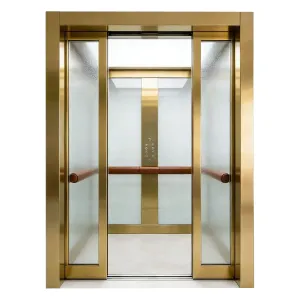
Installing a Traction-Type Gantry-Frame Residential Elevator with Safety Features for Modern Villas Indoor/Outdoor Use
Category: Traction Gantry Home ElevatorBrowse number: 264Number:Release time: 2026-07-08 14:15:31Installing a Traction-Type Gantry-Frame Residential Elevator with Safety Features for Modern Villas Indoor/Outdoor Use
News
Category:
-
[industry news]Key Factors to Consider When Choosing a Home Elevator System
2026-07-06 15:25:20
Case
Category:
No search results found!
Video
Category:
No search results found!
Download
Category:
No search results found!
Job
Category:
No search results found!
Featured Products
No search results found!



 Phone
Phone