

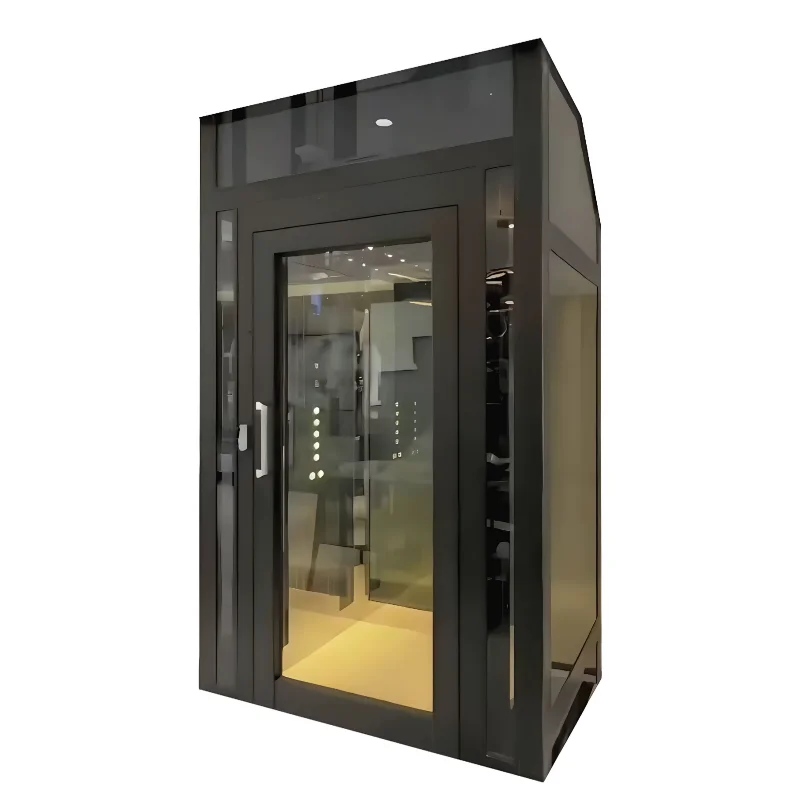
Home elevator maintenance is one of the most important factors in preserving safety, comfort, reliability, and long-term value.
For homeowners, property managers, and builders, a well-maintained Residential Elevator can deliver smooth daily operation for many years
while reducing the risk of breakdowns, unexpected repair costs, and service interruptions. Whether the elevator is used for accessibility,
convenience, aging-in-place, or luxury living, proper maintenance helps protect the entire system and supports consistent performance.
This guide provides a detailed, SEO-friendly overview of home elevator maintenance tips for long-term performance.
It is written for informational use only and includes universal industry guidance, maintenance definitions, system advantages,
inspection checklists, and technical reference tables. No specific brands or companies are recommended. The content is suitable for
blogs, directory pages, industry pages, and HTML content blocks intended for search engine visibility.
Home elevator maintenance refers to the routine inspection, cleaning, testing, adjustment, lubrication, and servicing of a residential elevator
system to keep it operating safely and efficiently. A home elevator contains mechanical, electrical, and control components that must work together
with precision. Over time, normal use, environmental conditions, and wear can affect performance. Maintenance helps identify small issues before
they become major problems.
In practical terms, maintenance includes scheduled preventive service and ongoing owner care. Preventive service is usually performed by a qualified
technician and may involve checking drive systems, door operation, safety devices, cables, rails, sensors, and control functions. Owner care typically
includes keeping the elevator clean, avoiding overloads, observing warning signs, and reporting unusual behavior promptly.
Residential elevators are designed for durability, but no elevator system can perform at its best without regular upkeep. Long-term performance
depends on the condition of moving parts, electrical systems, safety features, and the environment surrounding the unit. Dust buildup, loose
components, worn rollers, misaligned doors, degraded lubrication, and aging electronics can all reduce efficiency and increase stress on the system.
When maintenance is consistent, the elevator tends to run more smoothly, stop more accurately, operate more quietly, and last longer.
Proper care also supports energy efficiency, improves passenger comfort, and lowers the likelihood of emergency service calls. For homeowners,
this means better reliability and stronger protection of the investment.
Different Home Elevator Systems have different maintenance needs. Understanding the basic type of elevator in the home can help guide the right
maintenance routine. While the exact service requirements vary by design and installation, all residential elevators benefit from inspections,
cleaning, and timely repair.
| Home Elevator Type | General Maintenance Focus | Typical Considerations |
|---|---|---|
| Hydraulic Elevator | Fluid levels, seals, pump unit, cylinder condition | Monitor for oil leaks, temperature changes, and smooth lifting performance |
| Traction Elevator | Ropes, sheaves, motor, braking system, alignment | Check rope wear, travel consistency, and motor noise |
| Non-Hydraulic / Machine-Room-Less System | Drive components, control system, sensors, leveling accuracy | Inspect electronic controls and mechanical wear points regularly |
| Pneumatic Elevator | Air pressure, seals, tube cleanliness, control functionality | Maintain airtight conditions and verify smooth movement |
| Platform Lift / Accessibility Lift | Lift platform, gate operation, safety edges, power unit | Confirm safe boarding, stable travel, and reliable emergency operation |
One of the most effective home elevator maintenance tips is to follow a preventive maintenance schedule. Instead of waiting for a failure,
scheduled service allows trained professionals to inspect components before they become problematic. A preventive approach helps maintain
smooth operation and can extend the lifespan of the elevator system.
The maintenance schedule should be based on usage frequency, elevator type, age, and manufacturer guidelines. High-use elevators may require
more frequent inspections than systems used only occasionally. Regular service intervals are especially important for homes where the elevator
is used daily by family members, older adults, or individuals with mobility needs.
Cleanliness has a direct impact on home elevator performance. Dust, dirt, hair, debris, and moisture can affect mechanical parts, sensors,
doors, and control panels. Interior surfaces should be cleaned regularly, and the area around the elevator entrance should be kept free of clutter.
Homeowners should also avoid letting dirt accumulate in tracks, thresholds, or door edges. A clean elevator is easier to inspect and less likely
to experience friction-related problems. For long-term performance, cleanliness should be treated as part of the maintenance routine rather than
a cosmetic task alone.
Every residential elevator has a maximum load rating. Exceeding that limit can place excessive strain on the motor, cables, lifting system,
and safety components. Overloading may also affect leveling accuracy and increase the chance of premature wear.
The load rating should be clearly understood by all users in the home. If the elevator is intended to carry multiple passengers, furniture,
or mobility equipment, occupants should still stay within the specified capacity. Respecting weight limits is a simple but critical step
for long-term elevator reliability.
Unusual noises are often one of the first signs that a home elevator needs attention. Grinding, squealing, knocking, humming, or vibration
may indicate misalignment, wear, loose fasteners, motor issues, or lubrication problems. A residential elevator should generally operate
with a consistent and controlled sound profile.
If the elevator begins making unfamiliar noises, the issue should be reported promptly. Early attention can prevent small mechanical issues
from becoming larger and more expensive repairs. For SEO and informational purposes, this is one of the most searched and valuable
home elevator maintenance tips because sound changes often signal hidden problems.
Doors are among the most frequently used components in any elevator system. They must open, close, and lock correctly to ensure safe operation.
Door tracks, sensors, interlocks, and edges should all be inspected regularly. If the door hesitates, closes too quickly, reverses unexpectedly,
or fails to latch properly, service may be required.
Safety features should also be tested on schedule. These may include emergency alarms, communication systems, backup lowering functions,
and obstruction sensors. A reliable elevator must not only move well but also protect passengers during normal use and emergencies.
Smooth travel is a major sign of good maintenance. If the elevator jerks, shudders, drifts, or stops above or below floor level, there may be
a mechanical or calibration issue. Leveling accuracy is especially important for safe entry and exit, particularly for people using walkers,
wheelchairs, or carrying heavy items.
Changes in ride quality should never be ignored. They can indicate wear in drive components, rail alignment problems, sensor faults, or
system adjustments that need to be made by a qualified technician.
The drive system is central to home elevator performance. Depending on the elevator type, this may include hydraulic pumps, traction motors,
belts, ropes, pulleys, or pneumatic controls. These components convert power into motion and must operate efficiently to keep the elevator safe
and reliable.
Technicians typically inspect drive components for wear, fluid condition, tension, heat, and alignment. Any signs of slippage, delay,
overheating, or pressure loss should be addressed quickly. Drive system maintenance is one of the most important parts of long-term
elevator care.
Many home elevators include a machine area, control space, or mechanical access point. This area should remain clean, dry, and accessible
to authorized service personnel. Storing boxes, cleaning supplies, or household items near equipment can interfere with inspections and increase
the risk of dust or obstruction-related issues.
Good access makes maintenance more efficient and can help technicians identify developing problems sooner. It also supports safer servicing and
quicker troubleshooting when an issue occurs.
Moisture is one of the most common threats to Residential Elevator Systems. Excess humidity, leaks, condensation, or water intrusion can damage
electrical parts, corrode metal, weaken finishes, and interfere with sensors or control circuits. Basements, coastal homes, and areas with frequent
temperature changes may require extra attention.
Homeowners should monitor the surrounding environment and repair leaks quickly. Proper ventilation and dehumidification may help in areas where
moisture is a recurring concern. Dry conditions generally support better elevator performance and longer component life.
Even if the elevator appears to be functioning normally, professional inspections remain essential. A trained technician can detect wear or
calibration issues that may not be visible to the homeowner. Regular inspections support code compliance, safe operation, and long-term
performance.
Professional service may also include lubrication, calibration, adjustment, testing of safety devices, cleaning of internal components,
and replacement of worn parts. For most residential elevators, this is the foundation of a strong maintenance strategy.
The following checklist provides a simple overview of maintenance tasks that support residential elevator longevity. Some tasks may be performed
by the homeowner, while others should be completed only by qualified service professionals.
| Maintenance Task | Who Can Perform It | Recommended Frequency |
|---|---|---|
| Clean cabin surfaces and thresholds | Homeowner | Weekly or as needed |
| Check for unusual noise or vibration | Homeowner | Daily observation |
| Inspect door operation visually | Homeowner | Weekly |
| Test emergency communication and alarm | Technician / per guidance | Monthly to quarterly |
| Lubricate mechanical parts | Qualified technician | Per service schedule |
| Inspect cables, belts, or chains | Qualified technician | Scheduled service interval |
| Check leveling accuracy | Qualified technician | Every service visit |
| Test safety systems and interlocks | Qualified technician | Every service visit |
| Review control system error logs | Qualified technician | Scheduled service interval |
Homeowners should be alert to warning signs that indicate the elevator may need service. Common signs include delayed start-up, uneven leveling,
doors that do not close correctly, unfamiliar sounds, visible wear, error messages, slow movement, or a burning smell near electrical components.
Other warning signs can include fluid spots beneath the unit, buttons that respond inconsistently, lights that flicker, or a ride that feels
rougher than usual. These symptoms do not always indicate severe failure, but they do signal that maintenance is needed. Prompt attention
helps prevent downtime and preserves long-term performance.
The ideal service frequency depends on the elevator type, usage level, age, environment, and local code requirements. In general, residential
elevators should receive professional maintenance on a regular schedule rather than only when a problem occurs. For many homes, quarterly or
semiannual inspections are common starting points, but higher-use systems may require more frequent attention.
Newer elevators may still need scheduled service because even advanced systems experience wear over time. Older elevators often require closer
monitoring due to aging components and changing performance characteristics. The most reliable approach is to create a maintenance plan that
combines owner observation with qualified technical service.
Homeowners play an important role in keeping a residential elevator in good condition. Even if the system is professionally maintained,
daily habits can influence performance. Best practices include using the elevator according to its intended purpose, avoiding rough handling,
keeping the area clear, and promptly reporting any irregular behavior.
It is also helpful to maintain a simple log of service visits, observed issues, and repairs. This record can help identify patterns over time
and provide useful information for technicians. A maintenance log is especially valuable for homes with frequent usage or aging equipment.
Home elevator maintenance includes both professional service and owner care. These two parts work together to support long-term performance.
Owner care focuses on daily cleanliness, basic observation, and safe use. Professional service focuses on technical inspection, calibration,
component replacement, and safety testing.
| Aspect | Owner Care | Professional Maintenance |
|---|---|---|
| Cleaning | Cabin and surrounding area | Internal component cleaning when needed |
| Safety checks | Visual observation | Functional testing of safety systems |
| Lubrication | Not recommended | Performed by technician |
| Adjustment | Not recommended | Performed by technician |
| Issue reporting | Immediate reporting of abnormalities | Diagnosis and corrective action |
Safe operation supports maintenance goals and reduces unnecessary wear. Passengers should enter and exit only when the car is fully stopped
and properly leveled. Doors should not be forced open. Children should be supervised, and pets should be kept clear of moving doors and thresholds.
It is also important not to block door sensors, overload the car, or use the elevator during known faults. If the elevator behaves unpredictably,
it should be taken out of use until inspected. Safe operation and proper maintenance are closely connected.
For long-term elevator performance, homeowners should pay attention to several recurring factors: noise, speed, leveling, door response,
electrical reliability, and environmental exposure. A change in any of these areas may suggest that the system needs attention.
Monitoring these factors helps create a proactive maintenance culture. Instead of reacting after a failure, homeowners can protect the elevator
by noticing trends early. This improves reliability and may significantly extend the service life of the equipment.
The best way to extend the life of a home elevator is through regular preventive maintenance, clean operation, proper loading, prompt repairs,
and professional inspections. Consistency is key for long-term performance.
The most important home elevator maintenance tips include keeping the system clean, scheduling inspections, avoiding overload, watching for
unusual sounds, testing safety features, and protecting the elevator from moisture.
Maintenance frequency depends on the system type and usage level. Many residential elevators benefit from service every few months, while
high-use systems may need more frequent inspections.
Homeowners can usually handle basic cleaning, observation, and reporting issues. Technical work such as lubrication, calibration, and internal
inspection should be performed by qualified professionals.
Common signs include unusual noises, rough movement, leveling errors, slow response, door problems, warning lights, and visible fluid leaks.
The table below provides a general reference for residential elevator specifications. Exact values vary by system type, installation design,
and applicable standards, but these ranges are useful for informational content and SEO-focused industry pages.
| Specification Category | Typical Residential Range | Maintenance Relevance |
|---|---|---|
| Capacity | Approximately 750 to 1,500 lbs | Prevents overloading and component strain |
| Travel Speed | Varies by system; generally moderate residential speed | Supports comfort and safe operation |
| Number of Stops | 2 to 6 typical in many homes | Affects travel frequency and wear |
| Drive Type | Hydraulic, traction, pneumatic, or other residential systems | Determines service intervals and component focus |
| Operating Environment | Indoor residential use | Moisture and dust control are important |
| Service Interval | Often quarterly or semiannual, depending on use | Core factor for long-term reliability |
| Safety Features | Interlocks, alarms, sensors, emergency lowering | Must be tested regularly |
Home elevator maintenance is essential for long-term performance, safe operation, and reliable daily use. A residential elevator is a valuable
feature, but like any mechanical system, it requires regular care to remain efficient and dependable. By following a preventive maintenance
plan, keeping the system clean, avoiding overload, monitoring for warning signs, and scheduling professional inspections, homeowners can
improve ride quality and protect their investment.
For any property using a residential elevator, maintenance should be viewed as an ongoing strategy rather than a one-time task. The most effective
home elevator maintenance tips are simple, practical, and consistent. When applied regularly, they help support long-term performance,
safety, and peace of mind.
```
This website uses cookies to ensure you get the best experience on our website.
 ไทย
ไทย Indonesia
 Tiếng Việt
 Filipino



 Phone
Phone
Comment
(0)