

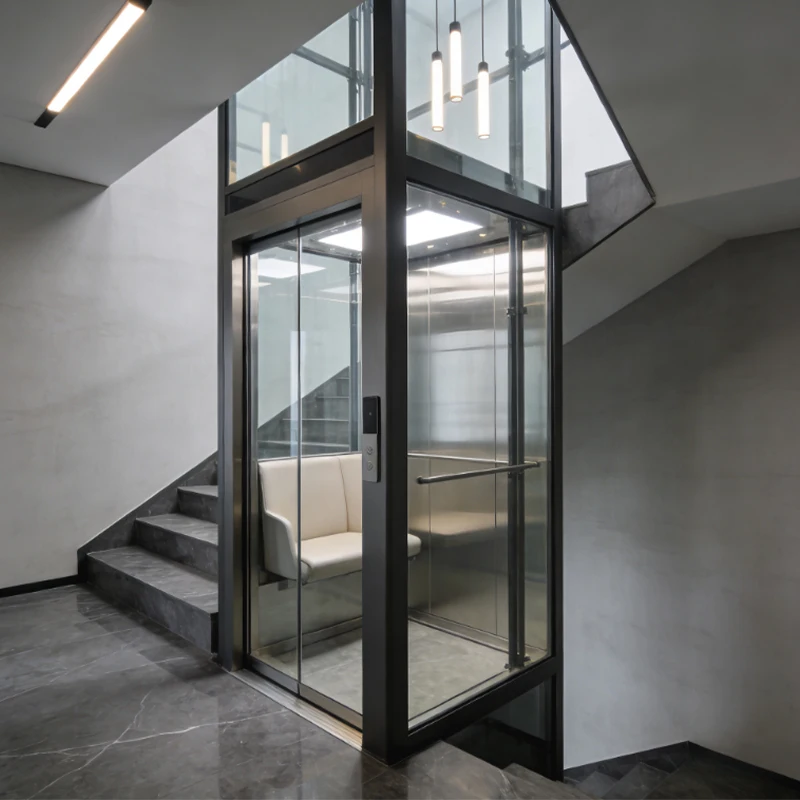
The home elevator industry is undergoing a major transformation as residential mobility solutions become more
advanced, more accessible, and more design-oriented. Across the global market, demand for Home Elevators is rising due to
aging populations, multi-level housing trends, luxury home upgrades, and the growing preference for future-ready living spaces.
As a result, home elevator trends are shaping product development, installation standards, safety features,
and consumer expectations in both developed and emerging markets.
This page provides a comprehensive, SEO-friendly overview of the global home elevator market, including
key definitions, industry drivers, major trends, product types, benefits, technical specifications, and common applications.
The content is written for direct insertion into a blog page, category page, or industry landing page. It focuses only on
general industry information, not on specific company recommendations.
A home elevator is a compact vertical transportation system designed for private residential use. It is
typically installed in villas, duplex homes, townhouses, multi-story apartments, and custom residences to improve mobility,
comfort, and convenience. Unlike commercial elevators, a Residential Elevator is usually optimized for lower passenger traffic,
smaller shaft sizes, lower travel heights, and more personalized design options.
Home elevators may use different drive systems such as hydraulic, traction, vacuum, machine-room-less (MRL), or
non-hydraulic platforms. Each type is selected based on available space, budget, travel distance, user needs, and building
structure. In modern residential architecture, home elevators are increasingly seen as a long-term lifestyle investment
rather than a luxury-only feature.
The global home elevator market continues to expand because homeowners now value accessibility, aging-in-place
solutions, and property enhancement more than ever before. Residential elevator adoption is also supported by changes in
housing design, urbanization, and premium home renovation trends. Many buyers now include a home elevator in the planning stage
of new construction, especially in multi-level homes.
Several long-term factors are contributing to the rise of the home elevator industry:
One of the strongest home elevator trends is the increasing demand for aging-in-place solutions. Homeowners
want to remain in their houses longer without sacrificing safety or independence. A residential elevator reduces the physical
strain of stairs and helps older adults move safely between floors. This trend is especially strong in countries with rapidly
aging populations, where accessibility is becoming a major residential design priority.
Retrofit installations are becoming more common as homeowners upgrade existing properties rather than relocating. A
home elevator retrofit allows an elevator to be added to an already built home, often with minimal structural
changes depending on the model. This trend is boosting market growth because it opens the residential elevator market to
older houses, not just new construction.
Modern consumers expect connected living. As a result, the Smart Home Elevator is gaining attention in the
global market. Features such as app-based control, remote diagnostics, digital access systems, voice control compatibility,
and energy monitoring are becoming more desirable. Smart integration improves convenience, maintenance visibility, and user
experience.
Urban homes often face space limitations, so compact elevator solutions are in high demand. Manufacturers and system designers
are responding with space-saving footprints, reduced machine-room requirements, and flexible installation formats. This is a
key residential elevator trend because homeowners increasingly want performance without sacrificing living area.
Homeowners increasingly view elevators as part of interior design. Transparent shafts, premium cabin finishes, lighting effects,
and minimalist controls are all becoming popular. In the home elevator industry, visual appeal is now almost as important as
function. Buyers want systems that blend with modern architecture, traditional interiors, or luxury home aesthetics.
Sustainability is influencing product development across the global home elevator industry. Energy-efficient
drives, standby power modes, LED lighting, and low-consumption operation are now important selling points. In many regions,
homeowners and builders are prioritizing greener residential technologies that align with sustainable construction standards.
Safety remains central to residential elevator adoption. New systems often include emergency lowering, battery backup,
overspeed protection, door sensors, overload detection, and anti-entrapment mechanisms. These features improve user confidence
and support broader market acceptance, especially among families with children, elderly users, and disabled occupants.
The growing popularity of the home elevator is closely connected to its practical and lifestyle benefits.
Beyond comfort, residential elevators add measurable value to a property and improve daily living.
| Benefit | Description | Market Impact |
|---|---|---|
| Accessibility | Improves vertical movement for elderly users and people with mobility challenges. | Supports aging-in-place demand and inclusive home design. |
| Convenience | Makes carrying groceries, luggage, laundry, and daily items easier. | Increases homeowner interest in multi-level residences. |
| Property Value | Can enhance the market value and resale appeal of a home. | Strengthens demand in premium housing and renovation segments. |
| Safety | Reduces stair-related falls and physical strain. | Encourages adoption among families and aging households. |
| Luxury Appeal | Adds a high-end feature to residential architecture. | Supports demand in custom homes and upscale property markets. |
| Future Readiness | Prepares the home for changing mobility needs over time. | Encourages long-term investment in accessible living. |
Understanding the main home elevator types is important for homeowners, architects, and builders. Each system
has a different technical structure, space requirement, and installation profile.
Hydraulic home elevators use a fluid-driven piston system to move the cabin. They are known for smooth ride quality and strong
lifting performance. These elevators are often suitable for homes with moderate travel heights and are commonly selected for
their dependable operation and straightforward use.
Traction home elevators use a counterweight and rope or belt mechanism. They are often more energy efficient than traditional
hydraulic systems and can provide a quiet ride. In many residential projects, traction systems are favored for modern homes
that want a balance of performance, efficiency, and design flexibility.
MRL Home Elevators are designed without a separate machine room, helping save space. This format is especially appealing in
homes where every square foot matters. The compact design of MRL elevators makes them a strong choice in contemporary
residential architecture.
Vacuum elevators operate using air pressure differences and often feature a highly distinctive cylindrical design. They are
known for fast installation, modern aesthetics, and minimal structural impact. The vacuum home elevator segment has gained
interest in compact homes and renovation projects.
Platform lifts and vertical home lifts are often used for accessibility-focused applications. These systems are especially
useful where full elevator construction is not practical. They are typically simpler to install and may be selected for homes
that require mobility support without a large footprint.
The home elevator industry can be segmented by product type, application, installation type, control system,
and end user. This segmentation helps understand market demand across different residential use cases.
| Segment | Examples | Industry Relevance |
|---|---|---|
| By Type | Hydraulic, traction, MRL, vacuum, platform lift | Defines installation method and user experience |
| By Application | Villas, duplex homes, townhouses, apartment penthouses, retrofits | Reflects different residential needs and space conditions |
| By Installation | New construction, retrofit installation | Determines structural complexity and project planning |
| By Technology | Manual controls, smart controls, remote monitoring | Supports digital transformation in residential mobility |
| By End User | Private homeowners, senior households, accessibility users, luxury property owners | Shapes product positioning and demand trends |
When evaluating a residential elevator, homeowners typically consider size, load capacity, speed, power
consumption, and safety features. The exact specifications vary by system type and building structure, but the table below
provides a general reference for common home elevator specifications.
| Specification | Typical Range | Notes |
|---|---|---|
| Passenger Capacity | 2 to 6 persons | Designed for household use, not high-volume traffic |
| Load Capacity | 180 kg to 450 kg | Depends on the model, cabin size, and installation type |
| Travel Height | Up to 15 meters or more | Usually suitable for 2 to 5 floor residential buildings |
| Speed | 0.15 m/s to 0.4 m/s | Residential speed is slower than commercial elevators |
| Power Supply | Single-phase or three-phase | Depends on system type and regional standards |
| Drive System | Hydraulic, traction, vacuum, screw-driven, platform-based | Affects energy use, noise level, and maintenance needs |
| Installation Space | Compact to moderate | Space-saving options are increasingly popular |
| Safety Features | Door interlocks, emergency stop, backup power, sensors | Critical for residential use and regulatory compliance |
The home elevator sector is not only growing in volume but also becoming more sophisticated in engineering and design.
Manufacturers and system designers are improving installation flexibility, durability, efficiency, and safety to match modern
residential expectations.
Homeowners increasingly prefer clean, modern interiors. Minimalist cabin design with neutral tones, glass panels, concealed
fixtures, and smooth surfaces is now a major trend in the home elevator industry.
Glass elevators and panoramic shaft systems are popular in premium homes because they enhance visual openness and architectural
appeal. This design trend turns the elevator into a statement feature rather than a hidden utility.
Quiet operation is a strong purchasing factor in residential settings. Improved motors, better vibration control, and more
efficient drive systems are helping create quieter Home Elevator Solutions for family living environments.
Modular elevator designs can reduce construction time and simplify installation. This is especially useful in retrofit
projects, where fast and low-disruption installation is often a top priority.
Touchless operation is becoming more common in modern residential elevators. Digital buttons, mobile control options, and
user authentication features support both convenience and hygiene-focused design.
The decision to install a home elevator is usually based on a combination of practical, financial, and design-related
considerations. Buyers often compare multiple factors before selecting the right system.
Proper installation is a critical part of the home elevator industry. Because residential buildings vary widely
in structure, elevator planning must account for shaft dimensions, pit depth, overhead clearance, load-bearing support, and
power requirements. In retrofit projects, the installation process may also require structural modifications.
Important installation factors include:
Safety is one of the most important aspects of the global residential elevator market. Homeowners and builders expect
systems that meet local and international safety requirements. Regulations may vary by region, but common safety goals
include preventing entrapment, controlling speed, securing doors, and ensuring emergency operation.
Typical safety elements in a residential elevator include:
| Safety Feature | Purpose |
|---|---|
| Door Interlock | Prevents the elevator from moving when the door is open. |
| Emergency Stop | Allows passengers to stop the elevator in urgent situations. |
| Backup Power | Supports safe lowering or operation during outages. |
| Overload Sensor | Detects excessive weight and prevents unsafe movement. |
| Anti-Entrapment System | Reduces the risk of passengers being trapped inside the cabin. |
| Emergency Communication | Provides a way to request assistance if needed. |
The global market for home elevators is influenced by regional housing styles, population demographics, building codes, and
consumer preferences. While demand exists worldwide, adoption patterns differ across markets.
In North America, home elevator demand is supported by suburban homes, aging homeowners, and luxury residential projects.
Accessibility and retrofit demand are especially important in this region.
In Europe, compact design, energy efficiency, and accessibility compliance play a major role. Many homes are older, which can
increase interest in retrofit-friendly Residential Elevator Systems.
The Asia-Pacific region is experiencing rapid residential construction, urban density growth, and a rising premium housing
segment. This is creating strong potential for home elevator adoption in both new and modernized homes.
In high-income residential developments, the home elevator often serves both functional and prestige purposes. Design
customization, panoramic glass cabins, and premium finishes are especially relevant in this market segment.
The future of the home elevator industry looks promising as accessibility, smart technology, and residential
customization continue to expand. The market is expected to become more competitive, more design-focused, and more technology
driven. In the coming years, the strongest trends will likely include compact systems, easier retrofit options, improved
energy efficiency, and deeper smart home integration.
Another important direction is the movement toward universal design. Rather than treating elevators as a
luxury add-on, more builders and homeowners are considering them as part of long-term residential planning. This shift will
continue to support the growth of the global home elevator market across multiple housing categories.
For SEO purposes, the following keyword themes are often associated with home elevator content and industry pages:
The home elevator industry is being reshaped by accessibility needs, aging populations, smart home technology,
space-efficient engineering, and lifestyle-driven home design. As the global home elevator market continues
to grow, demand will increasingly favor solutions that are safe, compact, efficient, customizable, and future-ready.
Whether used for mobility support, convenience, property enhancement, or luxury residential design, the Modern Home Elevator
has become a significant feature in today’s housing market. For businesses, builders, and content publishers, this industry
offers strong SEO potential because it combines high-intent keywords, practical utility, and evergreen relevance.
```
This website uses cookies to ensure you get the best experience on our website.
 ไทย
ไทย Indonesia
 Tiếng Việt
 Filipino



 Phone
Phone
Comment
(0)