

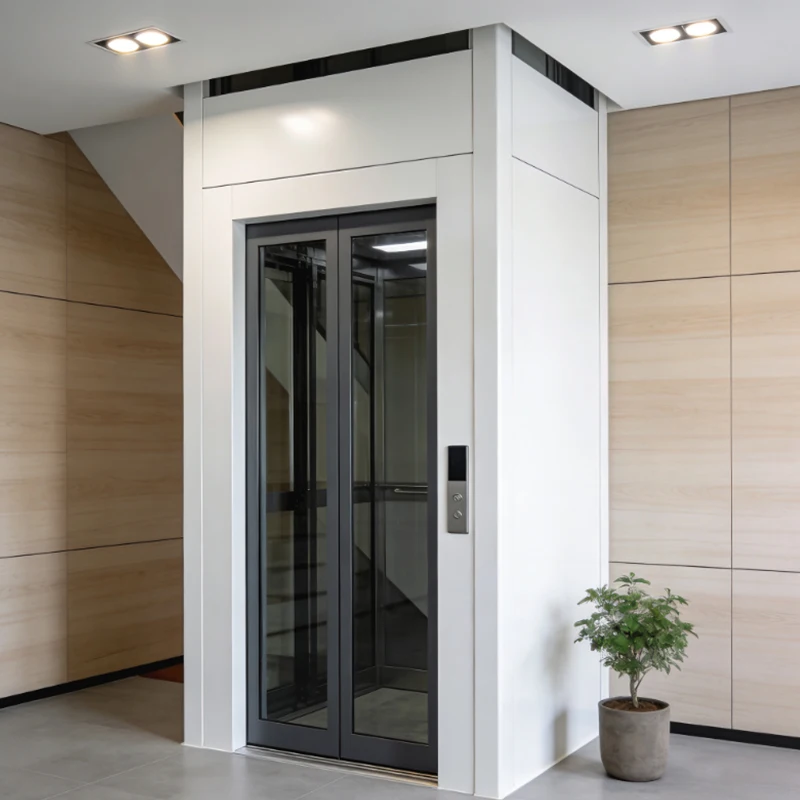
Selecting the right home elevator is one of the most important decisions you can make when improving accessibility,
convenience, and long-term property value. Whether you are planning a new build, a renovation, or a multi-level residential upgrade,
the right Residential Elevator should match your space, structural conditions, daily usage needs, and budget. This guide provides
SEO-friendly, original, and industry-focused information on choosing the right home elevator for your property, with
clear definitions, benefits, technical considerations, and comparison tables for easier decision-making.
A home elevator, also called a residential elevator or private elevator, is a compact
vertical lifting system designed for use in houses, villas, townhomes, duplexes, and other low-rise residential properties. Unlike
commercial elevators, Home Elevators are engineered for lower traffic levels, smaller footprints, and residential comfort. They can
improve mobility, reduce stair-related risks, and add premium functionality to a property.
Home elevators are available in several technologies, including Hydraulic Home Elevators, Traction Home Elevators,
pneumatic vacuum elevators, and machine-room-less (MRL) systems. Each type has different installation
requirements, operating characteristics, maintenance expectations, and design flexibility.
The demand for residential elevators continues to grow because modern homeowners want properties that are more accessible, future-ready,
and comfortable. A home elevator is no longer seen only as a luxury feature. It is increasingly considered a practical home improvement
that supports aging in place, multi-generational living, and everyday convenience.
Choosing the right residential elevator requires more than selecting a style. You need to evaluate your property layout,
available space, number of floors, weight capacity, energy requirements, installation conditions, and maintenance preferences. A well-chosen
Home Lift should blend functionality, safety, and aesthetics while fitting the building structure.
Space is often the first and most critical factor. Some home elevators require a dedicated shaft, pit, and overhead clearance, while others
are designed for more compact spaces and may require minimal structural modification. If your home has limited room, compact elevator models
or shaftless options may be more suitable.
The number of floors the elevator must serve will affect system selection, engineering requirements, and cost. A two-stop elevator for a
ground-and-first-floor layout differs significantly from a multi-stop system in a large villa or townhouse.
Residential elevators typically support 2 to 8 passengers depending on the design. Families who plan to use the elevator for wheelchairs,
walkers, or heavy items should select a model with enough internal cabin space and rated capacity.
Different elevator technologies consume energy differently. Some systems are more energy-efficient and may operate on standard household
electrical requirements, while others need additional electrical planning. Energy-efficient home elevators can help reduce long-term
operating costs.
A home elevator can be installed in a new construction project or retrofitted into an existing house. New builds usually allow more design
flexibility, while retrofit installations may require structural changes, wall openings, or reinforcement. Understanding installation
complexity helps you avoid unexpected costs and delays.
Some elevator types require more regular maintenance than others. Hydraulic systems may need fluid checks and component monitoring, while
traction systems may involve cable or drive inspections. Low-maintenance solutions are often preferred by homeowners seeking long-term
simplicity.
The elevator should match the interior style of your property. Glass panels, custom finishes, lighting, and cabin materials can create a
modern, luxurious, or minimal look. Since home elevators are visible design features, appearance matters as much as performance.
Understanding the main types of home elevators is essential when comparing options. Each system has strengths and limitations,
and the best choice depends on your property conditions and usage expectations.
| Home Elevator Type | How It Works | Main Advantages | Common Limitations | Best For |
|---|---|---|---|---|
| Hydraulic Home Elevator | Uses a hydraulic piston and fluid pressure to move the cabin | Smooth ride, strong lifting power, suitable for many homes | May require more maintenance and space for equipment | Homes needing reliable vertical travel and classic performance |
| Traction Home Elevator | Uses ropes, counterweights, and a motorized drive system | Energy-efficient, smooth operation, often compact | Engineering and installation may be more complex | Modern homes seeking efficient and advanced systems |
| Pneumatic Vacuum Elevator | Uses air pressure changes to move the cabin between floors | Unique design, minimal civil work, space-saving | Limited size and load options, distinctive appearance | Compact homes or homeowners wanting a modern visual statement |
| Machine-Room-Less (MRL) Elevator | Places driving machinery within the shaft area instead of a separate room | Saves space, modern configuration, flexible integration | Needs careful structural planning | Projects where space efficiency is a priority |
| Shaftless / Through-Floor Elevator | Moves directly through a floor opening with minimal shaft structure | Compact, easier retrofit in some homes, lower structural impact | Usually lower capacity and fewer configuration options | Small residences and renovation projects |
To choose the right Residential Lift, it helps to compare important performance characteristics side by side. The following
table provides a general industry overview.
| Feature | Hydraulic | Traction | Pneumatic | MRL | Shaftless |
|---|---|---|---|---|---|
| Space Requirement | Medium to high | Medium | Low | Low to medium | Very low |
| Energy Efficiency | Moderate | High | Moderate | High | Moderate |
| Ride Comfort | Excellent | Excellent | Good | Excellent | Good |
| Installation Complexity | Moderate | Moderate to high | Low to moderate | Moderate | Low |
| Maintenance Level | Moderate | Moderate | Low to moderate | Moderate | Low |
| Best Use Scenario | Reliable everyday residential use | Efficient modern homes | Space-saving premium design | Compact installation needs | Retrofit or small houses |
Residential elevator specifications vary by manufacturer and model, but the table below shows common industry ranges. These figures are
useful for planning and comparison purposes when choosing a home elevator for your property.
| Specification | Typical Range | Notes |
|---|---|---|
| Passenger Capacity | 2 to 8 persons | Capacity should match family size and intended use |
| Load Capacity | 180 kg to 630 kg | Heavier-duty models may support more weight |
| Travel Height | 2 to 4 floors common | Some systems can serve more levels depending on design |
| Cabin Size | Compact to medium | Determined by shaft space and intended capacity |
| Speed | 0.15 m/s to 0.4 m/s | Residential elevators generally move at comfortable, safe speeds |
| Power Requirement | Single-phase or three-phase depending on model | Electrical planning should be done during early design |
| Drive System | Hydraulic, traction, pneumatic, or screw/through-floor | Technology selection affects performance and maintenance |
| Installation Type | New build or retrofit | Retrofit projects usually require more evaluation |
A home elevator provides more than vertical transportation. It can improve the quality of life, support long-term independence, and create
a more practical living environment. Below are the major benefits of installing a residential home elevator.
One of the biggest advantages of a home elevator is improved accessibility. It allows people of different ages and mobility levels to move
between floors comfortably. This is especially valuable in properties where stair use is difficult or unsafe.
Stairs can pose a risk, especially for older adults, small children, and individuals recovering from injury. A private elevator reduces the
likelihood of falls and makes daily movement safer.
A home elevator simplifies everyday routines. Carrying luggage, laundry baskets, groceries, or cleaning equipment becomes easier and less
physically demanding.
Many homeowners want to remain in their current property as they get older. Installing a home elevator supports aging in place by making
the home usable and comfortable for longer periods.
A well-designed residential elevator can make a property more attractive to potential buyers. In certain markets, it may increase perceived
value because it adds both function and prestige.
Beyond practicality, a home elevator creates a premium home environment. It can become a feature that improves both lifestyle and architectural
identity.
Different properties have different structural and design conditions. Choosing the right elevator means understanding what works best for
your specific building type.
| Property Type | Recommended Elevator Characteristics | Important Considerations |
|---|---|---|
| Single-Family House | Compact to medium residential elevator with low noise and efficient use of space | Check floor layout, structural support, and interior design integration |
| Duplex / Townhouse | Space-saving elevator or through-floor system | Retrofitting may require careful planning around walls and stair openings |
| Villa / Luxury Residence | Custom Home Elevator with design flexibility and larger cabin options | Aesthetic finish, glass panels, and premium materials may be prioritized |
| Multi-Story Renovation | Retrofit-friendly model with minimal structural impact | Evaluate shaft space, ceiling height, and electrical access |
| Small Home | Compact shaftless or pneumatic elevator | Space efficiency and low construction disruption are important |
| Accessibility-Focused Home | Wheelchair-friendly residential elevator with wider entry and stable ride | Door width, cabin size, and user access must be considered carefully |
Home elevators are increasingly customizable. A good residential elevator should match the architecture and interior style of the property.
Many homeowners focus on more than the technical system because design plays a significant role in perceived value and user satisfaction.
Before installing a home lift, it is important to evaluate the property’s structural and technical requirements. This ensures
the elevator can be installed safely and operate reliably over time.
| Requirement | Purpose | Why It Matters |
|---|---|---|
| Shaft or Hoistway | Provides the vertical path for the elevator | Some models require a full shaft, while others need less structure |
| Pit Depth | Allows clearance beneath the lowest floor | Needed for certain elevator designs and safety standards |
| Overhead Clearance | Space above the top landing | Supports safe mechanical operation and cabin movement |
| Electrical Connection | Powers the system | Voltage and phase requirements must match the elevator specification |
| Structural Support | Ensures the building can carry the elevator system | Critical for long-term safety and stability |
| Access for Maintenance | Allows service technicians to inspect components | Important for long-term performance and reliability |
When choosing a home elevator, asking the right questions helps ensure the system is appropriate for your property. Consider the following
points before making a final decision.
Safety should always be a top priority when selecting a residential elevator. Modern Home Elevators usually include a range
of protective features to support secure operation and user confidence.
| Safety Feature | Function | Benefit |
|---|---|---|
| Emergency Stop Button | Allows the user to stop elevator motion immediately | Improves control in unexpected situations |
| Battery Backup | Enables safe operation during power interruptions | Helps prevent entrapment |
| Door Interlocks | Prevents operation when doors are open | Reduces accident risk |
| Overload Sensor | Detects excessive cabin weight | Protects system components and passengers |
| Emergency Lowering | Allows the elevator to move to a safe floor after a fault | Supports safe exit |
| Alarm and Communication System | Lets users call for help if needed | Improves peace of mind |
The best home elevator is not necessarily the most expensive or the most visually impressive. The ideal choice is the one
that meets your property’s structural needs, fits your lifestyle, and offers reliable performance over time. When evaluating options,
balance practical features with comfort, design, energy use, and maintenance expectations.
For most homeowners, the right elevator should offer a combination of:
If you are building a blog, directory page, or industry service page, these keyword phrases are commonly relevant to
choosing the right home elevator for your property:
Choosing the right home elevator for your property requires a careful review of space, structure, capacity, design,
technology, and maintenance needs. With so many residential elevator options available today, homeowners can find a solution that is
practical, safe, attractive, and suited to their property type. Whether you need a compact elevator for a small house, a premium lift for
a luxury residence, or a retrofit-friendly system for an existing building, the key is to match the elevator type to the home itself.
By understanding the main elevator categories, standard specifications, installation requirements, and benefits, you can make a more
informed decision and choose a residential home elevator that supports long-term comfort, accessibility, and property value.
```
This website uses cookies to ensure you get the best experience on our website.
 ไทย
ไทย Indonesia
 Tiếng Việt
 Filipino



 Phone
Phone
Comment
(0)